
Journals
Advances in Earth & Geoscience Education Research
Advances in Earth & Geoscience Education Research
-
About Journal
Advances in Earth & Geoscience Education Research (AEGER) is an international, peer-reviewed scholarly journal dedicated to advancing research, innovation, and best practices in the teaching and learning of Earth sciences and geoscience disciplines. The journal serves as a global platform for educators, researchers, curriculum developers, and policymakers to disseminate high-quality research that enhances geoscience education at school, undergraduate, postgraduate, and professional levels.
AEGER publishes original research articles, review papers, case studies, short communications, and innovative pedagogical reports that contribute to the improvement of geoscience education through interdisciplinary approaches, emerging technologies, and evidence-based teaching methodologies. The journal encourages contributions that bridge theory and practice and support sustainable, inclusive, and future-oriented Earth science education.
-
Aim & Scope
Aim of the Journal
The primary aim of Advances in Earth & Geoscience Education Research is to promote excellence and innovation in Earth and geoscience education by providing a scholarly forum for the exchange of ideas, research findings, and educational practices. The journal seeks to strengthen geoscience literacy, foster critical thinking, and support the development of skilled professionals capable of addressing global environmental and societal challenges.
AEGER aims to:
-
Advance research in Earth and geoscience education.
-
Support innovative teaching and learning strategies.
-
Encourage interdisciplinary and technology-enhanced educational practices.
-
Promote sustainability, environmental awareness, and global citizenship through geoscience education.
Scope of the Journal
The journal covers a broad range of topics related to Earth and geoscience education, including but not limited to:
-
Earth science and geoscience education research
-
Curriculum development and assessment in geosciences
-
Innovative teaching and learning methodologies
-
Field-based learning and experiential education
-
Digital learning, e-learning, and virtual laboratories in geoscience education
-
GIS, remote sensing, and geospatial technologies in education
-
Climate change, sustainability, and environmental education
-
Teacher education and professional development in Earth sciences
-
STEM and interdisciplinary approaches in geoscience education
-
Educational policy, equity, inclusion, and diversity in geoscience learning
-
Public understanding of Earth sciences and science communication
The journal welcomes contributions from researchers and educators worldwide that offer theoretical insights, empirical findings, and practical implications for advancing Earth and geoscience education.
-
-
Author Guidelines
Instruction for Author Guidelines:
The submitted manuscripts should have minimum basic standards to be able to read and interpret the content by the Editorial team. The submissions which do not meet these criteria will be sent back to the authors.
Article Types & Format
Original/Research articles These are the articles which deal with unpublished data providing a detailed explanation of the Methods, Methodology and the results of an investigation supported by evidence. These articles, in general, can be divided into sections:
Introduction:
Identifies the aim of the research
Methods:
Describes the methods applied, study design and the all the details regarding the selection and of the participants of the study
Results:
Provides information regarding the results of the research
Conclusions:
Addressing relevant implications for clinical practice or health policy
Review
Deals with reporting of the literature review of already published data, providing a detailed and in-depth discussion of significant research topics and their development over time.
Case Reports
Articles describing the symptoms, diagnosis, and treatment of clinical cases—usually novel cases. These may also include a literature review of reported cases.
Editorial
Short articles written by the Editors or editorial staff of the journal.
Commentaries
Discuss various aspects of a focused research topic, offering critiques, solutions, or enhancements.
Corrigendum
Rectifications or adjustments made in an article due to author errors.
Expert Opinion
Articles written by experts to promote research or support knowledge advancement in specific areas.
Letter to Editor
Articles addressed to the Editor-in-Chief that comment, agree, or disagree with content in published articles. They can also correct or critique perceived errors.
Perspective
Expresses the author's individual viewpoint on a topic of interest. Basic manuscript structure includes: Cover Letter, Title page, Abstract and keywords, Main Content, Acknowledgments, References, Tables, and Figure legends.
Cover Letter
Should state article type, confirm exclusivity, summarize main points, and optionally name five referees with contact details.
Title Page
Max 15 words; should describe the work clearly. Use Times New Roman Bold, Title Case, and indicate corresponding author.
Abstract
Briefly states objectives, work done, significance, and findings. Should not exceed 300 words and must not contain citations.
Keywords
Include 7–10 key terms relevant to the study.
Abbreviations
Define all abbreviations at first use. If many, include a list under keywords.
Manuscript Text
No fixed structure; authors may divide as per study type. Cite references in superscript, number tables/figures in citation order, and place tables at the end with figures as separate files.
Conflicts of Interest
Declare any author conflicts to maintain transparency post-publication.
Acknowledgments
Mention contributors who don’t qualify for authorship. Include funding, assistance, and prior conference presentations. Obtain consent before naming individuals.
References
Follow Vancouver style. Include at least one online link (preferably PubMed). Format: Author(s). Title. Journal Abbr. Year;Volume:Pages.
Tables
• Place after references
• Use Word table tools, not figures
• Number in order of citation
• Do not duplicate data in the text
• References within tables must be listed properly
Figure Legends
• Include at manuscript end
• Define symbols/parts clearly
• Follow citation order
• Get permission for reused figures
• Figures must be .jpg/.tif and high resolution
• Do not submit figures as Word, PPT, or PDF
• Mask identifiable clinical photos or provide consent
Article Processing Charges
Academixs Journal of Earth and Environmental Science operates on an open-access model to ensure that all published content is freely accessible to readers worldwide. To support the publication process and maintain high editorial standards, an article processing charge (APC) applies to accepted manuscripts.
Details regarding the APC will be shared with authors upon acceptance of the manuscript. Authors are encouraged to contact the editorial office if they require additional information or support regarding publication fees.
Withdraw Policy:
If, due to certain circumstances, the author wishes to withdraw the article after submission, a withdrawal fee will be applicable.
Copyright
Copyright protects article content and findings. Academixs defends author work and responds seriously to claims of plagiarism, ethics breaches, or fraud. Contact us if you become aware of any such issues.
-
Editorial Board
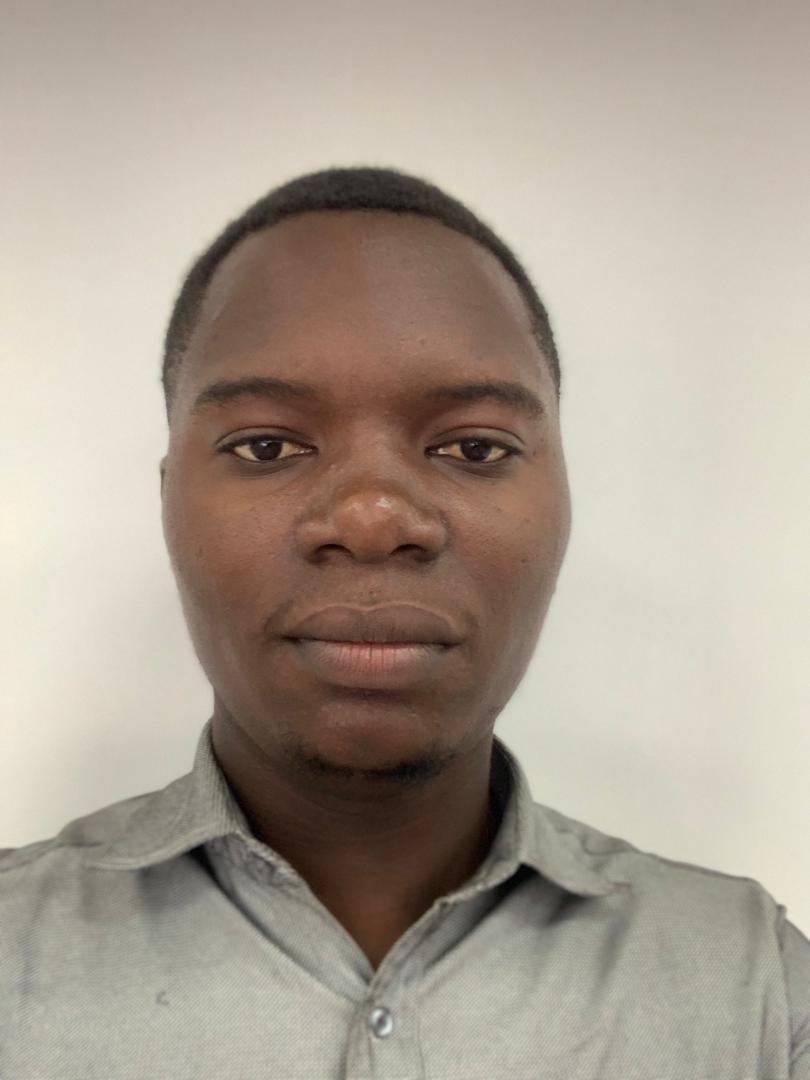
Freddy ASIANI MUBIALA
Economist, Data Scientist & Labor Inspector
Professor
Democratic Republic of Congo
Congo
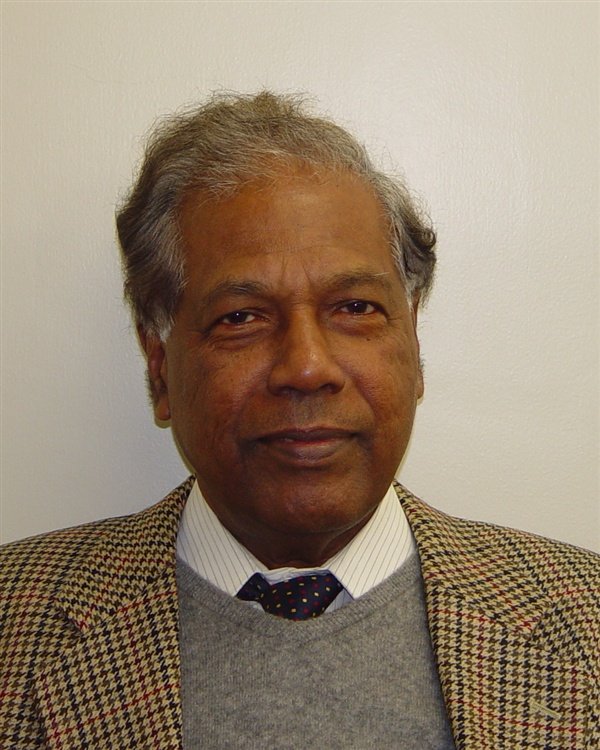
A. W. Jayawardena
Department of Civil Engineering
Professor at the National Graduate Institute for Policy Studies, Japan
University of Hong Kong
Hong Kong
Prof. Ahmed Fawzy Yousef, PhD and PME
Global Goodwill Ambassador
Team Leader and Senior Expert of Project Management,
Prof. of Hydrology, Hydrogeology and Environment, Desert Research Center,
Cairo, Egypt
Articles In Press
Journal : Advances in Earth & Geoscience Education Research
Current Issue
Journal : Advances in Earth & Geoscience Education Research
Archive
Journal : Advances in Earth & Geoscience Education Research
-
PPT
-
Videos
-
Indexing

Supporting Our Communities to Build Positive, Safe & Clear Patient Focused Culture.
The purpose of assessing and accrediting laboratories is to evaluate and ensure compliance with established standards, identify areas of excellence and to provide recommendations for improvement.
With over 90% of health decisions based on diagnostic results, we are committed to being a trusted healthcare partner you need for decisions.
Patient Centered Care
We work day and night to solve the problems that can help them move forward for those who is seeking answers!
Quality Improvement
Our team typically processes over 3 million patient every month and fifty of the top drugs developed in 2022.
How to Order and Prepare for a Test!
Preparing for Your Test Help Ensure All Goes Smoothly
To reduce your wait time, complete the personal information on the form in advance. Although most routine tests are covered under your provincial health insurance plan, some tests may not be covered with knowledge is power.
we connect directly with patients to deliver their results so they have valuable health information when they need it most, we care about our people.
-
Health, Wellness and Insurance
-
97% customer satisfaction rate
-
Family Scholarship Program
Find a location
Find the nearest location for you online through our contact page, or just call us.
Contact UsMake an Appointment
You can book an appointment online or contact us to send you one of our lab experts
Book a Home VisitCollect a Sample
Samples can be collected in our office, a lab, or the patient can collect the sample at home.
Order Test KitsGet Your Results
Results are available for most tests within 7 days of samples reaching the lab.
View ResultsYour focus is on providing patients the best possible care and we’re here to help.
Accreditation & Licensing