
Journals
Sustainable Energy and AI Technologies
Sustainable Energy and AI Technologies
-
About Journal
Sustainable Energy and AI Technologies (SEAIT) is an international, peer-reviewed journal that publishes cutting-edge research at the intersection of renewable energy systems and artificial intelligence. The journal serves as a global platform for scientists, engineers, policy experts, and innovators working toward a smarter, cleaner, and more efficient energy future.
SEAIT focuses on how advanced computational intelligence — including machine learning, deep learning, optimization algorithms, and autonomous systems — can transform sustainable energy production, storage, distribution, and consumption. As the energy landscape rapidly evolves, the journal highlights solutions that improve efficiency, reduce environmental impact, support decarbonization, and enable resilient energy infrastructures.
The journal encourages multidisciplinary contributions that combine energy science, AI-driven modelling, engineering, environmental science, and digital technologies. By promoting high-quality research and innovation, SEAIT aims to advance global knowledge and accelerate the transition to sustainable, intelligent energy systems.
-
Aim & Scope
Aim of the Journal
The aim of Sustainable Energy and AI Technologies is to publish impactful research that integrates artificial intelligence with renewable and sustainable energy technologies. The journal seeks to:
-
Advance scientific understanding of how AI can optimize, forecast, and enhance energy systems
-
Promote innovation that addresses global energy challenges such as climate change, emission reduction, and energy efficiency
-
Support the development of intelligent energy solutions for smart grids, smart cities, and future digital infrastructures
-
Encourage interdisciplinary collaboration between energy experts, computer scientists, engineers, and policymakers
Scope of the Journal
SEAIT welcomes high-quality original research, reviews, technical notes, and application-driven studies in the following (but not limited to) areas:
1. AI Applications in Energy Systems
-
Machine learning and deep learning for energy forecasting
-
AI-enabled optimization of power systems
-
Reinforcement learning for autonomous energy management
-
Intelligent control systems for microgrids and smart grids
-
Predictive maintenance using AI
2. Renewable & Sustainable Energy Technologies
-
Solar, wind, hydro, biomass, geothermal energy systems
-
Energy harvesting and next-generation clean energy technologies
-
Hybrid renewable energy systems
-
Energy storage technologies and battery health prediction
3. Smart & Digital Energy Infrastructure
-
Smart meters, IoT-based energy monitoring
-
Digital twins for power plants and renewable systems
-
Edge computing and cloud-based energy management
-
Blockchain and cybersecurity in energy networks
4. Modelling, Simulation & Optimization
-
AI-driven simulation of energy systems
-
Computational models for carbon reduction and sustainability
-
Multi-objective optimization for energy efficiency
-
Uncertainty modelling in renewable power generation
5. Environmental & Policy Aspects
-
AI for carbon footprint analysis
-
Sustainable energy policies and planning
-
Life-cycle assessment with AI methodologies
-
Energy economics and AI-supported decision-making
6. Emerging Technologies
-
Autonomous robotics for renewable energy maintenance
-
AI-enhanced materials for energy devices
-
Quantum computing applications in energy optimization
-
Green AI and low-energy AI technologies
-
-
Author Guidelines
Manuscript
Submission & Author Guidelines
Sustainable
Energy and AI Technologies
1.
Scope of the Journal
Sustainable Energy and AI
Technologies publishes high-quality original
research and review articles that advance the integration of sustainable
energy systems and artificial intelligence technologies. The journal serves
as an interdisciplinary platform for researchers, engineers, policymakers, and
industry professionals.
2. Types of Manuscripts Accepted
The journal accepts the following categories:
·
Original Research Articles
·
Review Articles
·
Short Communications
·
Case Studies
·
Technical Notes
·
Perspective and Opinion Papers
3. Manuscript Preparation Guidelines
3.1 Language
·
Manuscripts must be written in clear and concise English (British or
American English accepted, but consistency is required).
3.2 Manuscript Structure
A typical manuscript should include:
1.
Title Page
2.
Abstract (150–250 words)
3.
Keywords (4–6 keywords)
4.
Introduction
5.
Materials and Methods / Methodology
6.
Results and Discussion
7.
Conclusions
8.
Acknowledgements (if applicable)
9.
Funding Statement
10. Conflict
of Interest Statement
11. References
4. Formatting Requirements
·
File format: DOC or DOCX
·
Font: Times
New Roman
·
Font size: 12 pt
·
Line spacing: 1.5
·
Margins: 1
inch on all sides
·
Page numbers: Bottom-center or bottom-right
5. Abstract and Keywords
·
The abstract should briefly summarize the objective, methodology, key results, and
conclusions.
·
Keywords should reflect the main themes of the
manuscript and help in indexing.
6. Figures and Tables
·
Figures and tables must be cited in the text and
numbered sequentially.
·
Provide clear captions below figures and above
tables.
·
Images must be high resolution (minimum 300
dpi).
·
Tables should be editable, not embedded as
images.
7. References
·
References should be formatted consistently
using APA.
·
All references cited in the text must appear in
the reference list and vice versa.
8. Ethical Standards
·
Submitted manuscripts must adhere to publication ethics.
·
Any form of plagiarism, data fabrication, or
duplicate submission is strictly prohibited.
·
Authors must obtain necessary permissions for
copyrighted materials.
9. Peer Review Process
·
All submissions undergo a double-blind peer review process.
·
Manuscripts are reviewed by at least two
independent experts.
·
The editorial decision may be: Accept, Minor
Revision, Major Revision, or Reject.
10. Article Processing Charges (APC)
·
Sustainable
Energy and AI Technologies operates on an open-access publishing model.
·
Applicable Article Processing Charges (APC), if
any, will be communicated to the authors after editorial assessment.
11. Copyright and Open Access
·
Authors retain copyright of their work.
·
Published articles are distributed under an open-access license, allowing
unrestricted use with proper citation.
-
Editorial Board
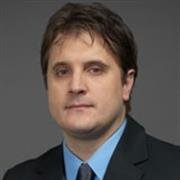
Professor
Jose M. Merigo Lindahl
School of Computer Science Faculty of Engineering and Information Technology
University of Technology Sydney
Australia
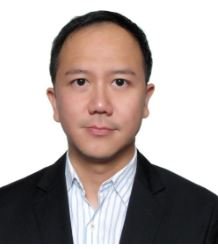
Editor-in-Chief
Professor
DR. (ErWONGic) Yew Kee
Vice-President, Department of Computer Science Hong Kong Chu Hai College,
China

Professor
Atac Bascetin
Faculty of Mines, Department of Mining Eng.
Istanbul Technical University
Türkiye

Doctor
Ranjan Hebbar
Advanced Micro Devices, Inc., 7171 Southwest Pkwy,
Austin, TX 78735
USA
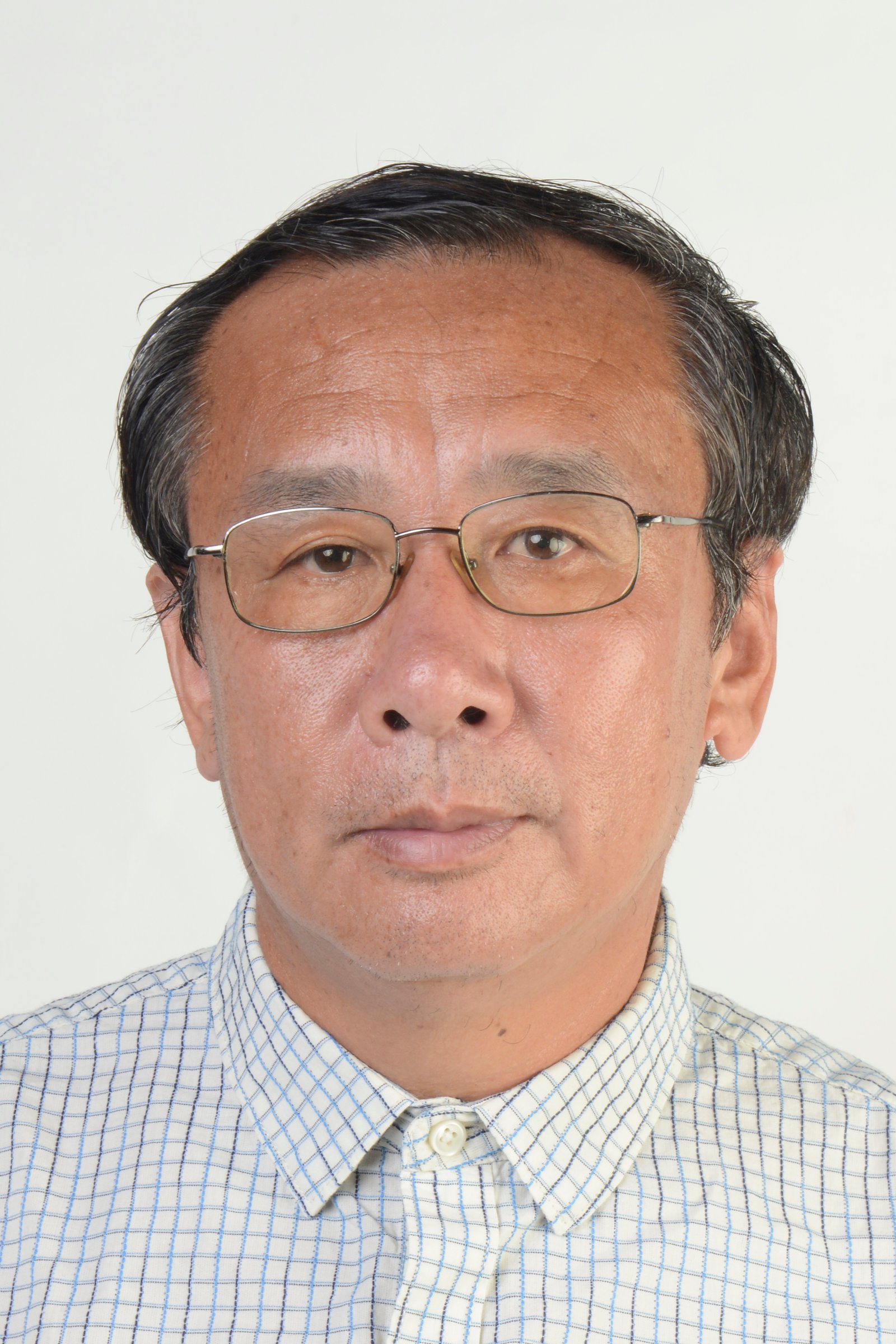
Associate Professor
Dawei Liang
Solar-pumped lasers, solar concentrators
New University of Lisbon
Portugal

Professor
Len Gelman
The University of Huddersfield
School of Computing and Engineering
Queensgate, Huddersfield, HD1 3DH, UK
Articles In Press
Journal : Sustainable Energy and AI Technologies
Current Issue
Journal : Sustainable Energy and AI Technologies
Archive
Journal : Sustainable Energy and AI Technologies
-
PPT
-
Videos
-
Indexing

Supporting Our Communities to Build Positive, Safe & Clear Patient Focused Culture.
The purpose of assessing and accrediting laboratories is to evaluate and ensure compliance with established standards, identify areas of excellence and to provide recommendations for improvement.
With over 90% of health decisions based on diagnostic results, we are committed to being a trusted healthcare partner you need for decisions.
Patient Centered Care
We work day and night to solve the problems that can help them move forward for those who is seeking answers!
Quality Improvement
Our team typically processes over 3 million patient every month and fifty of the top drugs developed in 2022.
How to Order and Prepare for a Test!
Preparing for Your Test Help Ensure All Goes Smoothly
To reduce your wait time, complete the personal information on the form in advance. Although most routine tests are covered under your provincial health insurance plan, some tests may not be covered with knowledge is power.
we connect directly with patients to deliver their results so they have valuable health information when they need it most, we care about our people.
-
Health, Wellness and Insurance
-
97% customer satisfaction rate
-
Family Scholarship Program
Find a location
Find the nearest location for you online through our contact page, or just call us.
Contact UsMake an Appointment
You can book an appointment online or contact us to send you one of our lab experts
Book a Home VisitCollect a Sample
Samples can be collected in our office, a lab, or the patient can collect the sample at home.
Order Test KitsGet Your Results
Results are available for most tests within 7 days of samples reaching the lab.
View ResultsYour focus is on providing patients the best possible care and we’re here to help.
Accreditation & Licensing